
Causes and Everyday Triggers of Heel Pain

Heel pain is a common foot condition that affects people of all ages and activity levels. It refers to discomfort or inflammation at the bottom or back of the heel, often interfering with walking, standing, and daily function. One of the most recognized causes is plantar fasciitis, but heel pain may also result from nerve-related conditions such as neuroma, overuse injuries, or structural imbalances. This condition can develop gradually or appear suddenly, depending on the underlying cause. Early recognition is important because untreated heel pain may worsen and lead to chronic mobility issues.

Symptoms of heel pain vary, but often include sharp or stabbing pain with the first steps in the morning, aching after long periods of standing, or tenderness when pressure is applied to the heel. Some individuals notice swelling or warmth, while others feel a burning sensation if a nerve is involved. Pain may improve with movement but return after rest. These patterns are key indicators that help identify the source of discomfort and guide proper treatment.


Several risk factors increase the likelihood of developing heel pain. Obesity places added stress on the heel with each step, which can strain the plantar fascia and surrounding structures. Wearing bad-fitting shoes, especially those lacking arch support or cushioning, contributes to poor foot alignment and repetitive stress. Heel injuries from sports or accidents can also lead to long-term pain if not properly treated. Physically active individuals, particularly runners and those in high-impact sports, are at greater risk due to repetitive strain. Middle-aged adults are more prone to it as natural tissue elasticity declines. Pregnancy is another contributing factor due to weight gain and hormonal changes that affect ligament flexibility.


Understanding the causes of heel pain allows individuals to take proactive steps, such as selecting supportive footwear, managing weight, and modifying activity levels. Early intervention can prevent complications and restore comfort. If you have heel pain, it is strongly suggested that you consult a podiatrist for an accurate diagnosis and appropriate treatment.

Many people suffer from bouts of heel pain. For more information, contact Jeffrey Radack, DPM of Texas Regional Foot & Ankle Clinics. Our doctor can provide the care you need to keep you pain-free and on your feet.

Causes of Heel Pain

Heel pain is often associated with plantar fasciitis. The plantar fascia is a band of tissues that extends along the bottom of the foot. A rip or tear in this ligament can cause inflammation of the tissue.

Achilles tendonitis is another cause of heel pain. Inflammation of the Achilles tendon will cause pain from fractures and muscle tearing. Lack of flexibility is also another symptom.

Heel spurs are another cause of pain. When the tissues of the plantar fascia undergo a great deal of stress, it can lead to ligament separation from the heel bone, causing heel spurs.

Why Might Heel Pain Occur?

  • Wearing ill-fitting shoes                
  • Wearing non-supportive shoes
  • Weight change           
  • Excessive running

Treatments

Heel pain should be treated as soon as possible for immediate results. Keeping your feet in a stress-free environment will help. If you suffer from Achilles tendonitis or plantar fasciitis, applying ice will reduce the swelling. Stretching before an exercise like running will help the muscles. Using all these tips will help make heel pain a condition of the past.

If you have any questions, please feel free to contact our office located in McKinney and Coppell, TX . We offer the newest diagnostic and treatment technologies for all your foot care needs.

Read more about Heel Pain

What Is Athlete’s Foot?

Athlete’s foot is a fungal infection of the skin caused by organisms that thrive in warm, moist environments. It often begins between the toes and may cause itching, burning, redness, and peeling or cracking skin. The infection spreads through direct contact with contaminated surfaces, such as locker room floors, showers, or shared footwear. It can also spread from one area of the foot to another, or even to the hands, especially if the skin is broken or irritated. Tight shoes, sweaty feet, and prolonged moisture increase the risk of infection and recurrence. A podiatrist can diagnose athlete’s foot through an examination, and may recommend treatment to eliminate the fungus and restore skin health. Care typically includes antifungal medications, improved foot hygiene, and guidance on keeping the feet clean and dry. If you have symptoms of athlete’s foot, it is suggested that you schedule an appointment with a podiatrist for effective relief and treatment solutions.

Athlete’s foot is an inconvenient condition that can be easily reduced with the proper treatment. If you have any concerns about your feet and ankles, contact Jeffrey Radack, DPM from Texas Regional Foot & Ankle Clinics.  Our doctor will treat your foot and ankle needs.

Athlete’s Foot: The Sole Story

Athlete's foot, also known as tinea pedis, can be an extremely contagious foot infection. It is commonly contracted in public changing areas and bathrooms, dormitory style living quarters, around locker rooms and public swimming pools, or anywhere your feet often come into contact with other people.

Solutions to Combat Athlete’s Foot

  • Hydrate your feet by using lotion
  • Exfoliate
  • Buff off nails
  • Use of anti-fungal products
  • Examine your feet and visit your doctor if any suspicious blisters or cuts develop

Athlete’s foot can cause many irritating symptoms such as dry and flaking skin, itching, and redness. Some more severe symptoms can include bleeding and cracked skin, intense itching and burning, and even pain when walking. In the worst cases, Athlete’s foot can cause blistering as well. Speak to your podiatrist for a better understanding of the different causes of Athlete’s foot, as well as help in determining which treatment options are best for you.

If you have any questions please feel free to contact our office located in McKinney and Coppell, TX . We offer the newest diagnostic and treatment technologies for all your foot and ankle needs.

Read more about How to Deal with Athlete's Foot

Get Professional Care for a Broken Foot or Ankle

Constant care and regular evaluation are important for a foot or ankle fracture. If left untreated, foot or ankle fractures can worsen over time and create more serious problems.

Don't wait to be examined if you believe you've experienced a foot or ankle fracture.

Tarsal Tunnel Syndrome and Foot Nerve Pain

Tarsal tunnel syndrome is caused by compression of the posterior tibial nerve as it travels along the inside of the ankle. This pressure can disrupt normal nerve signals and lead to ongoing discomfort. People with this condition may notice burning, tingling, or shooting pain that travels into the heel, arch, or toes. Symptoms can worsen with activity or prolonged standing, and may feel similar to other foot conditions. Causes often include swelling, injury, flat feet, or structural changes that place stress on the nerve. Untreated compression can lead to increased pain and reduced function. A podiatrist can perform a detailed evaluation, identify the source of pressure, and provide targeted treatment to relieve nerve irritation. If symptoms continue or worsen, it is strongly suggested that you consult a podiatrist for an accurate diagnosis and expert care.

Tarsal tunnel syndrome can be very uncomfortable to live with. If you are experiencing tarsal tunnel syndrome, contact Jeffrey Radack, DPM of Texas Regional Foot & Ankle Clinics. Our doctor can provide the care you need to keep you pain-free and on your feet.

Tarsal Tunnel Syndrome

Tarsal tunnel syndrome, which can also be called tibial nerve dysfunction, is an uncommon condition of misfiring peripheral nerves in the foot. The tibial nerve is the peripheral nerve in the leg responsible for sensation and movement of the foot and calf muscles. In tarsal tunnel syndrome, the tibial nerve is damaged, causing problems with movement and feeling in the foot of the affected leg.

Common Cause of Tarsal Tunnel Syndrome

  • Involves pressure or an injury, direct pressure on the tibial nerve for an extended period of time, sometimes caused by other body structures close by or near the knee.
  • Diseases that damage nerves, including diabetes, may cause tarsal tunnel syndrome.
  • At times, tarsal tunnel syndrome can appear without an obvious cause in some cases.

The Effects of Tarsal Tunnel Syndrome

  • Different sensations, an afflicted person may experience pain, tingling, burning or other unusual sensations in the foot of the affected leg.
  • The foot muscles, toes and ankle become weaker, and curling your toes or flexing your foot can become difficult.
  • If condition worsens, infections and ulcers may develop on the foot that is experiencing the syndrome.

A physical exam of the leg can help identify the presence of tarsal tunnel syndrome. Medical tests, such as a nerve biopsy, are also used to diagnose the condition. Patients may receive physical therapy and prescriptive medication. In extreme cases, some may require surgery.

If you have any questions please contact our office located in McKinney and Coppell, TX . We offer the newest diagnostic and treatment technologies for all your foot and ankle needs.

Read more about Treating Tarsal Tunnel Syndrome

Managing a Bunion

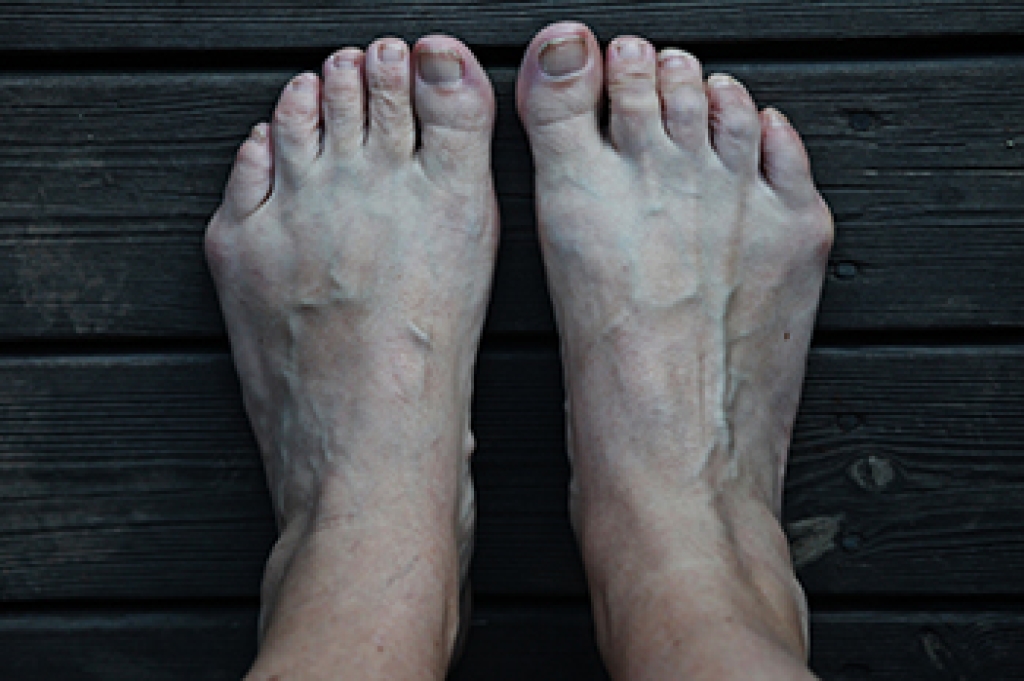
A bunion results when a bony bump forms at the base of the big toe, as the tip of the toe pushes against the other toes. This deformity can cause pain, redness, and swelling. Bunions also make wearing certain shoes uncomfortable while walking or standing for long periods of time. Causes include inherited foot structure, arthritis, and shoes that squeeze the toes together. Some people develop bunions because of poor foot alignment or abnormal walking patterns. A podiatrist can examine the foot, check joint movement, and use X-rays to determine the severity of the bunion. Treatment options include custom orthotics, padding, and wearing supportive shoes with a wider toe box. More advanced bunions may require surgery to straighten the toe joint and improve alignment. Early treatment can help slow the condition and reduce discomfort. If you have pain from a bunion, it is suggested that you schedule an appointment with a podiatrist for effective relief and management tips.

If you are suffering from bunions, contact Jeffrey Radack, DPM of Texas Regional Foot & Ankle Clinics. Our doctor can provide the care you need to keep you pain-free and on your feet.

What Is a Bunion?

A bunion is formed of swollen tissue or an enlargement of boney growth, usually located at the base joint of the toe that connects to the foot. The swelling occurs due to the bones in the big toe shifting inward, which impacts the other toes of the foot. This causes the area around the base of the big toe to become inflamed and painful.

Why Do Bunions Form?

Genetics – Susceptibility to bunions are often hereditary

Stress on the feet – Poorly fitted and uncomfortable footwear that places stress on feet, such as heels, can worsen existing bunions

How Are Bunions Diagnosed?

Podiatrists often perform two tests – blood tests and x-rays – when trying to diagnose bunions, especially in the early stages of development. Blood tests help determine if the foot pain is being caused by something else, such as arthritis, while x-rays provide a clear picture of your bone structure to your provider.

How Are Bunions Treated?

  • Refrain from wearing heels or similar shoes that cause discomfort
  • Select wider shoes that can provide more comfort and reduce pain
  • Anti-inflammatory and pain management drugs
  • Orthotics or foot inserts
  • Surgery

If you have any questions, please feel free to contact our office located in McKinney and Coppell, TX . We offer the newest diagnostic and treatment technologies for all your foot care needs.
Read more about Bunions

Connect With Us